Thick, irregular lumps need a trial that reflects real production. A short run with convenient samples can leave the toughest material or the next processing stage out of the decision. Start by defining the particle size and grade your destination requires. Then measure the usable output at each stage and check how the operating team will handle peak volumes.
What the in-house trial needs to show
Select samples from the lots the plant actually generates. Include representative large lumps and preserve the grade separation intended for normal production. Record feed mass, accepted output, rejects and interruptions over a representative run. Ask the supplier to show which handling equipment and downstream stages the test uses. If a sample needs further granulation after shredding, run that step before asking quality or a buyer to sign off the material. Base equipment selection on the complete trial.
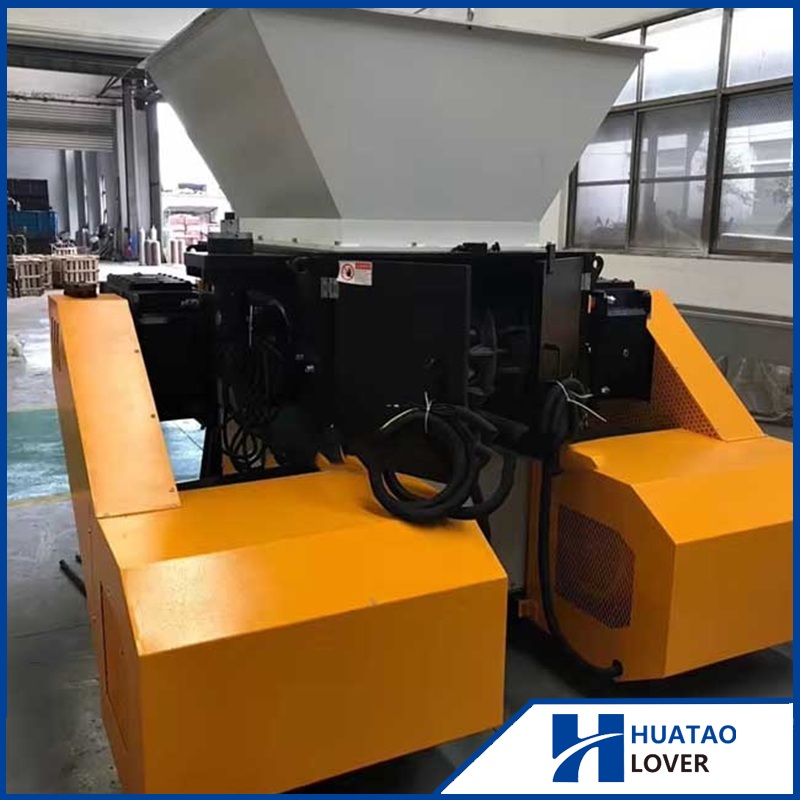
See also heavy-duty single-shaft shredding.
Weigh the purge separately
Weigh startup purge separately from routine trim and keep each entry attached to its production batch. Record the polymer, grade, colour and visible contamination alongside the weight. Keep the largest representative lump dimensions in the same log. A monthly total tells you how often a machine might run. The peak week tells you how much room the plant needs to hold material until it is processed or collected.
See also plastic recycling feedstock planning.
Set the output specification first
Ask quality and production which part families can accept the reclaimed material. Get the allowable blend, particle size and contamination limits in writing. If the output is for sale, ask the buyer for the grade and packaging conditions it will accept. Put the acceptance decision on the test plan. A bulk box may look ready to ship when it leaves the shredder, yet still need a second size reduction step or better separation before anyone can use it.
See also plastic recycling line design.
Check output yield after each step
Follow the mass through the trial. Record what went into the first machine, what came out of it, what went on to the next stage and what the intended end user accepted. Keep rejects and material still awaiting inspection separate. A measurement at the discharge of the first machine describes that stage only. Use the final accepted weight in the financial calculation.
See also plastic granulation equipment.
Budget around the whole line
Ask the trial team to list every step from receiving the cooled lumps to packaging accepted output. An installed equipment budget can include feeding, discharge handling, downstream granulation, power connections and space. An operating budget needs room for operators, energy, knives, screens, maintenance and downtime. Include reject handling as its own line. If production proposes to use an existing granulator, confirm that its capacity and schedule can absorb the tested shredder output before approving the project.
See also plastic recycling with a single-shaft shredder.
Approve the destination before the machine
Send the resulting material to the production team or buyer who will use it. Ask them to document its grade, particle size and other acceptance criteria against the trial materials. If they qualify only some lots, identify those clearly in the commercial model. The approval meeting should have the sample log, a representative trial report, a written toll quote, an as-is bid and current plant costs on the table.
See also plastic separation and sorting.
Build a toll-processing quote
Send toll processors the anticipated lot size, grade mix and dimensions. Ask how they label and segregate your lots, what the minimum charge covers and who pays for freight in each direction. Request a turnaround commitment and agree how they report inbound weight, returned weight and rejects. For a small pilot, include collection, packaging and handling in the comparison. Those details can determine whether the route is workable for a plant with irregular monthly volume.
See also industrial waste size reduction.
Put a value on selling as-is
Get written bids for the grades and conditions you can realistically keep separate. Ask whether the price is delivered or collected and how the buyer handles mixed or contaminated material. Include any storage, loading and transport costs that remain with the plant. Use the amount you would actually retain from selling the lots as-is as the comparison baseline. Keep the date beside the price, particularly if you are comparing equipment that would be put into service later.
See also rigid plastic crushing.
Compare all three routes on equal volume
Put the same incoming kilograms into the spreadsheet for all three options. Set up a column for in-house shredding, one for toll processing and one for selling the purge as-is. Credit only the material that meets a written acceptance specification. Value an accepted kilogram once, either at the cost it displaces internally or at its net external selling price. Keeping the feed quantity constant makes it easier to see where freight, usable yield and labour change the result.
See also resource recovery with single-shaft shredders.
Run a downside calculation
Change one assumption at a time so the team can see what drives the decision. Try a lower monthly volume, a smaller accepted fraction and a higher price for selling the material unprocessed. Include the effect of a missed pickup or extra freight if those costs matter for your plant. Use your company's capital evaluation method for installed equipment. Save the assumptions with the model so someone can update the calculation when actual figures change.
See also shredder blade maintenance.
Decision record
Ask the supplier to identify the tested configuration and provide a record you can compare with its quotation. Confirm whether size reduction, additional granulation and handling are included in the scope. Use the signed trial report to decide what the plant needs to buy and what it can already provide.
#PlasticRecycling #StartupPurge #IndustrialShredding #RecyclingEquipment #PlasticsProcessing #WasteReduction #MaterialRecovery #PlantOperations #Manufacturing #ProcessEngineering #QualityControl #EquipmentProcurement #TollProcessing #PlasticGranulation #IndustrialEquipment



 WhatsApp