Electronic waste recycling offers opportunities to recover valuable metals, plastics, and other reusable resources. However, WEEE can contain hidden lithium-ion batteries that create serious fire and explosion risks during mechanical processing.
Smartphones, laptops, tablets, cordless tools, and other electronic products may contain batteries that are difficult to identify without inspection.
When a battery is crushed, punctured, or short-circuited, it may enter thermal runaway. This can release heat, smoke, and flammable gases, potentially causing a fire or violent cell failure.
So, can a shredder prevent these incidents?
The answer is that a conventional shredder cannot guarantee battery safety by itself. Risk reduction requires a complete process combining battery removal, controlled feeding, monitoring, and emergency protection.
1. Understand the Risk Before Shredding
The first step is understanding what enters the recycling line.
Lithium-ion batteries can be found in:
-
Mobile phones and tablets
-
Laptops and portable computers
-
Cordless power tools
-
Wireless headphones
-
Small household electronics
-
Portable electronic equipment
A damaged battery may be hazardous even when it is not visibly burning. Mechanical pressure, impact, or penetration during shredding can create internal damage and trigger thermal runaway.
For a broader process overview, see the E-waste Recycling Line and Circuit Board Crushing and Sorting Production Line.
2. Remove Batteries Before Conventional Shredding
Battery removal is one of the most important preventive measures in WEEE treatment.
A practical pre-treatment workflow includes:
Step 1: Incoming inspection
Check the incoming material stream and identify products likely to contain batteries.
Step 2: Manual or controlled dismantling
Use trained personnel and suitable tools to open devices and remove accessible batteries without causing damage.
Step 3: Battery separation
Place recovered batteries in designated, correctly labelled containers. Prevent terminals from contacting conductive materials where appropriate.
Step 4: Damaged battery isolation
Swollen, leaking, unusually hot, or otherwise damaged batteries must be managed through a dedicated emergency or quarantine procedure.
Step 5: Feedstock verification
Confirm that the material meets the site's acceptance criteria before it enters mechanical processing.
This approach is especially important in complex e-waste and metal recycling line configurations.
3. Use Inspection and Monitoring at Critical Points
No inspection method identifies every concealed battery. Therefore, multiple control measures should work together.
Possible measures include:
-
Visual inspection by trained workers
-
Dedicated sorting and dismantling stations
-
Thermal cameras for abnormal heat detection
-
Smoke and fire detection in risk areas
-
Controlled feedstock acceptance
-
Procedures to stop feeding suspicious material
Thermal monitoring is useful, but a battery may be damaged internally without producing an obvious temperature warning before failure.
A facility should never rely on one sensor as its only battery safety measure.
4. Select the Right Shredder for Pre-Treated Materials
Once the material has passed the required inspection and preparation stages, suitable shredding equipment can be selected according to the feedstock.
A single shaft shredder and a double shaft shredder have different working principles and output characteristics.
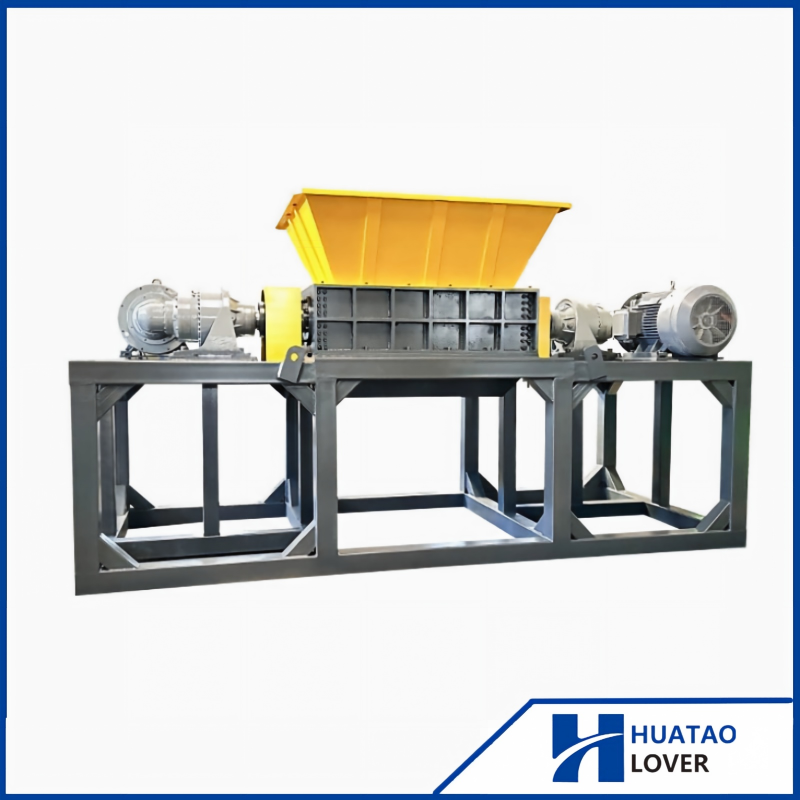
For different equipment configurations, review the 600-type double shaft shredder, 800-type double shaft shredder, 1000-type double shaft shredder, and 1200-type double shaft shredder.
The important point is that equipment size and blade configuration do not make unidentified batteries safe to shred.
The correct selection process must consider material characteristics, expected contaminants, required output size, production capacity, and safety procedures.
5. Build Fire Detection and Emergency Protection into the Line
A WEEE recycling plant should have a documented fire risk assessment that covers receiving, sorting, storage, shredding, and downstream handling.
Depending on the facility's risk assessment, appropriate measures may include:
-
Temperature and smoke detection
-
Emergency stop and equipment isolation
-
Suitable fire detection and suppression systems
-
Safe access and emergency evacuation routes
-
Designated quarantine areas
-
Emergency communication procedures
-
Staff training and regular drills
Fire suppression arrangements must be designed for the actual battery chemistry, material quantity, equipment layout, and applicable regulations. A generic extinguisher recommendation is not a substitute for professional fire protection design.
6. Protect Conveyors and Downstream Equipment
Battery hazards can also exist before and after the shredder.
A battery may be damaged during unloading, handling, conveying, or sorting. Therefore, inspection and monitoring should cover the complete recycling line.
For downstream material recovery, facilities may use E-waste Eddy Current Separators and E-waste non-ferrous metal recovery systems.
Other related process resources include the scrap metal recycling production line, waste recycling production line, and flexible waste shredding solution.
7. Maintenance and Operator Training
A reliable machine condition supports safer operation, but maintenance does not replace battery removal.
Facilities should establish inspection schedules for:
-
Blades and cutting components
-
Drive systems and bearings
-
Electrical controls
-
Emergency stop devices
-
Guards and interlocks
-
Temperature and smoke detection
-
Conveyors and material transfer points
The twin shaft shredder maintenance guide and common double shaft shredder issues guide provide related equipment maintenance information.
Operators must know how to identify suspicious batteries, stop material feeding, isolate equipment, and follow the site's emergency procedures.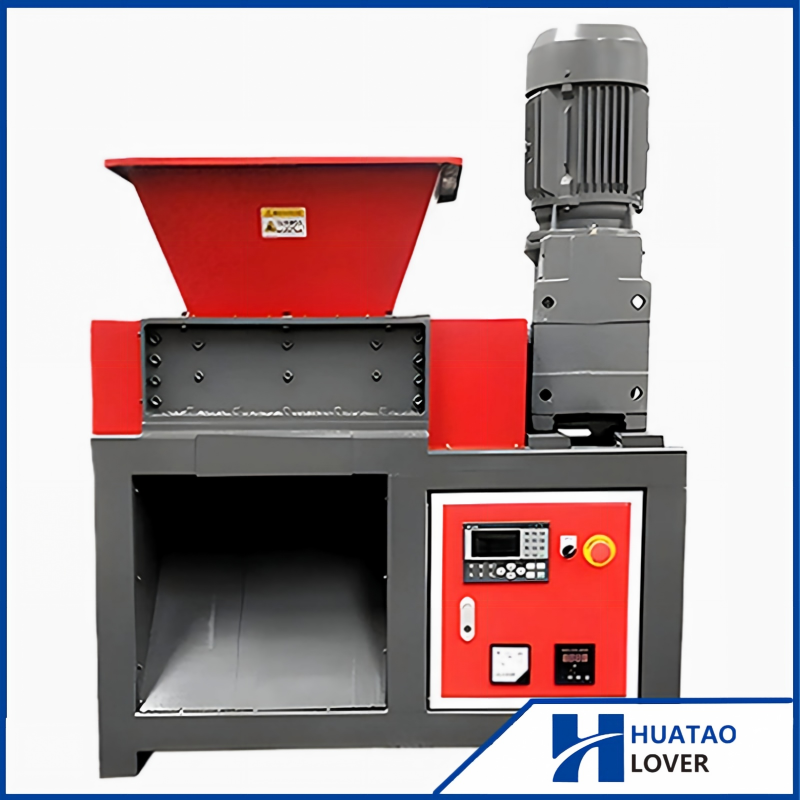
Frequently Asked Questions
Q1: Can a conventional WEEE shredder guarantee that batteries will not catch fire?
No. A conventional shredder cannot guarantee that. The most important preventive measure is to remove batteries before mechanical treatment.
Q2: Is battery discharge always required before shredding?
The required treatment depends on battery chemistry, equipment design, process authorization, and applicable regulations. Discharging must be performed through a properly designed and controlled process; it is not a substitute for risk assessment.
Q3: Can a thermal camera detect every dangerous battery?
No. It can identify abnormal heat, but it may not detect every concealed or internally damaged battery. It should complement, not replace, inspection and separation.
Q4: What should happen if a battery is found inside the shredder feedstock?
Stop feeding and follow the site's approved isolation and emergency procedure. Do not attempt to retrieve a hot, damaged, or smoking battery by hand.
Q5: What is the most important design consideration for WEEE shredding?
The entire process must be designed around the actual feedstock and its hazards, including battery identification, removal, monitoring, equipment isolation, and emergency response.
Conclusion
Battery fire prevention in WEEE recycling is not a single-machine function. It is a coordinated safety strategy that starts with incoming material inspection and battery removal, continues through controlled shredding, and extends to downstream material handling.
A shredder should be selected for the material it is designed to process, while battery detection, removal, and fire protection should be treated as essential parts of the complete recycling system.
Contact Us
Email: Team5@huataogroup.com
Tel / WeChat / WhatsApp: 008613383116640
WhatsApp: http://wa.me/13383116640
Website: https://www.huataoshredder.com
#WEEERecycling #EWasteRecycling #ShredderSafety #LithiumBatterySafety #BatteryFirePrevention #RecyclingEquipment #ElectronicWaste #IndustrialShredder #RecyclingPlant



 WhatsApp