1. What Is a Magnetic Separator?
A magnetic separator is industrial equipment that uses a magnetic field to remove ferrous materials from a mixed material stream. In recycling, it is used for equipment protection, iron removal, and ferrous metal recovery.
It can be integrated into a SCRAP METAL RECYCLING PRODUCTION LINE or a wider WASTE RECYCLING PRODUCTION LINE.
2. Working Principle
When ferrous material enters the effective magnetic field, it is attracted toward the magnetic assembly. The separator then carries or holds the captured material until it can be discharged separately.
-
Overband magnets lift ferrous metal from a conveyor.
-
Magnetic drums retain magnetic particles on a rotating surface.
-
Magnetic pulleys separate ferrous particles at a conveyor head.
Actual performance depends on the target's magnetic properties, working distance, material presentation, and discharge arrangement.
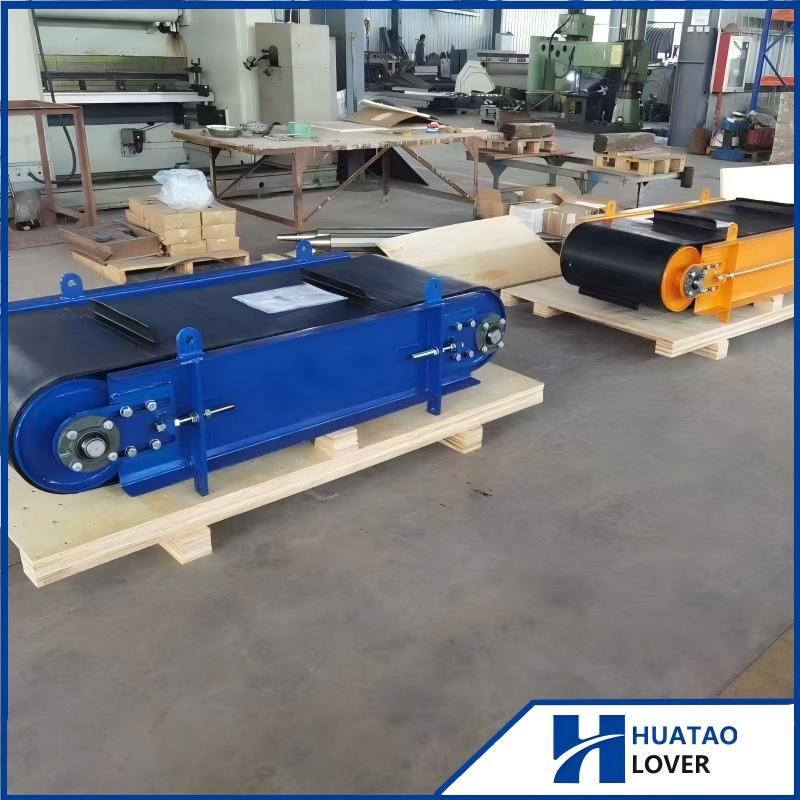
3. Main Types and Their Applications
| Separator Type |
Suitable Starting Application |
Key Consideration |
| Suspended magnet |
Occasional tramp iron on a conveyor |
Cleaning access |
| Self-cleaning overband |
Continuous ferrous removal |
Belt and discharge arrangement |
| Magnetic drum |
Continuous bulk ferrous recovery |
Feed presentation |
| Magnetic pulley |
Separation at conveyor discharge |
Head geometry and splitter |
4. Benefits
A suitable separator can:
-
Recover ferrous materials as a separate fraction.
-
Reduce tramp iron entering shredders and crushers.
-
Improve the cleanliness of non-magnetic material.
-
Support downstream non-ferrous separation.
-
Make the material flow easier to manage.
A DOUBLE SHAFT SHREDDER MACHINE can be used upstream to reduce bulky feedstock, while a VIBRATING SCREEN MACHINE can classify the material before subsequent sorting.
5. Material Comparison
| Material |
Magnetic Response |
Selection Note |
| Carbon steel |
Strong |
Common magnetic recovery target |
| Cast iron |
Generally strong |
Consider particle size and shape |
| Ferritic stainless steel |
Often magnetic |
Confirm grade |
| Austenitic stainless steel |
Often weak or non-magnetic |
Test before specifying |
| Aluminum |
Non-ferrous |
Use suitable non-ferrous sorting |
| Copper |
Non-ferrous |
Use suitable non-ferrous sorting |
Not all stainless steel can be reliably recovered with a conventional magnetic separator.
6. Application Comparison
| Application |
Main Challenge |
Possible Equipment Route |
| Scrap metal |
Mixed ferrous and non-ferrous pieces |
Overband, drum, or pulley |
| E-waste |
Small, mixed, liberated particles |
Magnetic separation plus further sorting |
| Tire recycling |
Steel wire mixed with rubber |
Magnetic drum or overband at suitable stage |
| Plastic recycling |
Ferrous contamination |
Conveyor-based magnetic removal |
| Municipal waste |
Uneven and bulky feed |
Self-cleaning overband or other suitable arrangement |
For electronic scrap, a CIRCUIT BOARD CRUSHING AND SORTING LINE may combine size reduction and multiple sorting stages.
7. Industry Application Matrix
| Industry |
Previous Process |
Magnetic Separation Role |
Next Process |
| Scrap metal |
Shredding |
Ferrous recovery |
Eddy current sorting |
| E-waste |
Crushing and screening |
Remove ferrous fraction |
Non-ferrous recovery |
| Tires |
Tire shredding |
Crushing |
Rubber processing |
| Plastic |
Crushing |
Remove metal contaminants |
Washing and granulation |
| Mixed waste |
Screening |
Recover ferrous materials |
Further sorting |
For non-ferrous recovery, consider an EDDY CURRENT SEPARATOR or AUTOMATIC NON-FERROUS METAL SORTING MACHINE.
8. Selection Guide
Before choosing a model, answer these questions:
-
What material is being processed?
-
What ferrous metal must be removed or recovered?
-
Is the target metal liberated or still attached to other materials?
-
What is the minimum and maximum particle size?
-
How deep is the material layer?
-
What is the conveyor speed and width?
-
How far is the target from the magnetic surface?
-
How frequently must captured metal be discharged?
-
Is there sufficient space for installation and maintenance?
Do not compare equipment using surface Gauss readings alone. Confirm the magnetic performance at the actual working distance and target position.
Corvelan+1
9. Procurement Guide
When requesting a quotation, provide:
-
Material photos and representative videos.
-
Material composition and ferrous content.
-
Particle size distribution.
-
Throughput and conveyor details.
-
Maximum burden depth.
-
Target metal size, shape, and frequency.
-
Installation drawings and discharge direction.
-
Manual or automatic cleaning preference.
Also request the proposed layout, electrical requirements, spare-parts information, inspection procedure, packaging, and shipping details.
For complete systems, review METAL RECYCLING LINE ENGINEERING and COMPLEX METAL RECYCLING LINE CONFIGURATION.
10. Failure Analysis
| Problem |
Possible Cause |
Recommended Action |
| Ferrous metal remains in output |
Excessive working distance |
Review magnetic coverage |
| Low recovery |
Deep or uneven material layer |
Improve material distribution |
| Too much non-magnetic material in reject |
Poor material presentation |
Review feed and discharge trajectory |
| Frequent manual cleaning |
High metal loading |
Evaluate self-cleaning design |
| Unstable belt movement |
Tracking or tension issue |
Inspect belt and rollers |
11. Maintenance Guide
-
Daily: Inspect the magnetic surface, belt, discharge area, and material buildup.
-
Weekly: Check belt tracking, tension, fasteners, guards, and mounting structure.
-
Monthly: Inspect bearings, drive components, electrical connections, and wear condition.
Always isolate the equipment before maintenance and follow the manufacturer's safety instructions.
12. Case Study — Illustrative Application
Customer Type: Mixed scrap recycling facility
Material Type: Shredded scrap containing iron, aluminum, and non-metallic fractions
Operating Conditions: Conveyor-based continuous processing
Problem: The plant needs to remove ferrous material before non-ferrous recovery.
Solution: Evaluate an overband or drum separator according to particle size, burden depth, and installation position. Follow with an eddy current stage where appropriate.
Result: The proposed process separates ferrous and non-ferrous recovery tasks. Actual recovery and purity must be established through material testing and commissioning.
13. FAQ
Q1: Should I choose a permanent magnet or an electromagnet?
The choice depends on the duty, installation, required field performance, and operating conditions. Permanent magnets do not require electrical power to create the magnetic field. Electromagnets offer controllable energizing and may suit certain heavy-duty applications. Compare the complete design, not just the magnet type.
Q2: Is a higher Gauss rating always better?
No. A surface Gauss value does not describe the magnetic force available at every target position. Working distance, magnetic gradient, particle size, material depth, and feed presentation all matter. Ask suppliers to clarify the measurement location and evaluate the actual target conditions.
Q3: How do I choose between an overband magnet and a magnetic drum?
An overband magnet is often considered for removing tramp iron above a conveyor. A drum is often considered for continuous separation from bulk material. The decision depends on the material path, burden depth, particle liberation, discharge route, and available installation space.
Q4: Can one magnetic separator process all recycling materials?
No single configuration is suitable for every feedstock. Scrap metal, shredded e-waste, rubber, plastic, and municipal waste differ in particle size, moisture, density, and metal presentation. Provide representative material information before selecting the equipment.
Q5: Can a magnetic separator recover stainless steel?
Some stainless steel grades are magnetic, while others respond weakly or not enough for conventional magnetic separation. Identify the grade and test representative material before specifying the equipment. A standard overband magnet should not be assumed to recover all stainless steel.
Q6: What information affects the price?
Price depends on separator type, working width, magnetic design, cleaning arrangement, drive system, structure, and integration requirements. Installation accessories, controls, and export packaging may also affect the quotation. Provide process data so suppliers can quote comparable configurations.
Q7: How often should a magnetic separator be maintained?
Inspection frequency depends on operating hours, material conditions, and the equipment design. Daily checks should look for buildup, belt problems, and abnormal noise. Scheduled inspections should cover bearings, drives, guards, and electrical components according to the manufacturer's instructions.
Q8: Can I install a magnetic separator before a shredder?
Yes, it can be used upstream to remove tramp iron and reduce the risk of metal entering the cutting chamber. The design must account for the target metal size, material depth, conveyor layout, and discharge clearance. Confirm the installation with the equipment supplier.
Conclusion
Choosing the right magnetic separator requires more than comparing magnet strength or equipment dimensions. The best choice matches the target metal, material flow, working distance, cleaning duty, and downstream process.
Email: marketing@huataogroup.com
Tel/WeChat/WhatsApp: 008613383116640 Website: www.huataoshredder.com
WhatsApp: http://wa.me/13383116640



 WhatsApp