Electronic waste recycling requires separation technology that can recover fine non-ferrous metals from a heterogeneous stream. The eddy current separator is the standard solution, but not every configuration suits electronic scrap. Selection depends on rotor design, particle size compatibility, and integration with upstream processes.
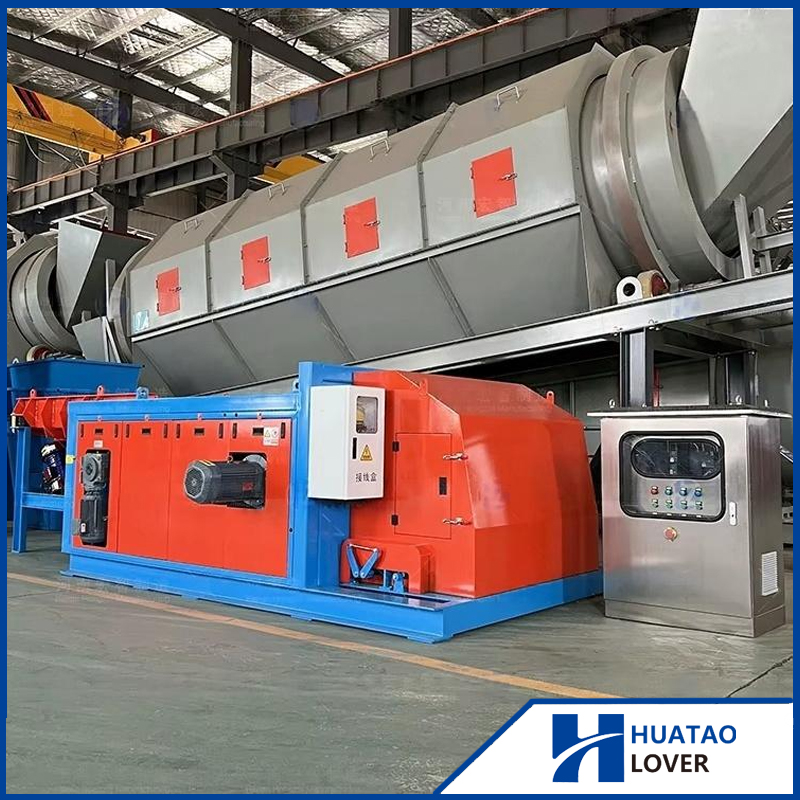
Understanding the E-Waste Separation Challenge
Shredded electronic scrap contains copper, aluminium, and brass particles typically measured in millimetres after liberation. Conventional eddy current separators designed for municipal solid waste or automotive shredder residue operate effectively on coarser particles. Research indicates eddy current separation is most effective on non-ferrous particles in the 2–50 mm range, with finer fractions requiring specialised rotor configurations. The heterogeneous nature of e-waste—combining metals, plastics, glass, and residual ferrous material—demands a separator that maintains performance despite feed variability.
Rotor Design: Eccentric vs. Concentric
The rotor configuration is the primary determinant of fine particle recovery. Concentric rotors generate a broad magnetic field suitable for coarse materials above approximately 20 mm, but their detachment point is imprecise. Eccentric rotors concentrate the magnetic field at a defined discharge point, maximising repulsive force on small particles. For e-waste applications involving particles under 20 mm, eccentric designs are recommended. High-frequency configurations with dense pole arrangements further improve fine particle recovery.
Integration Requirements
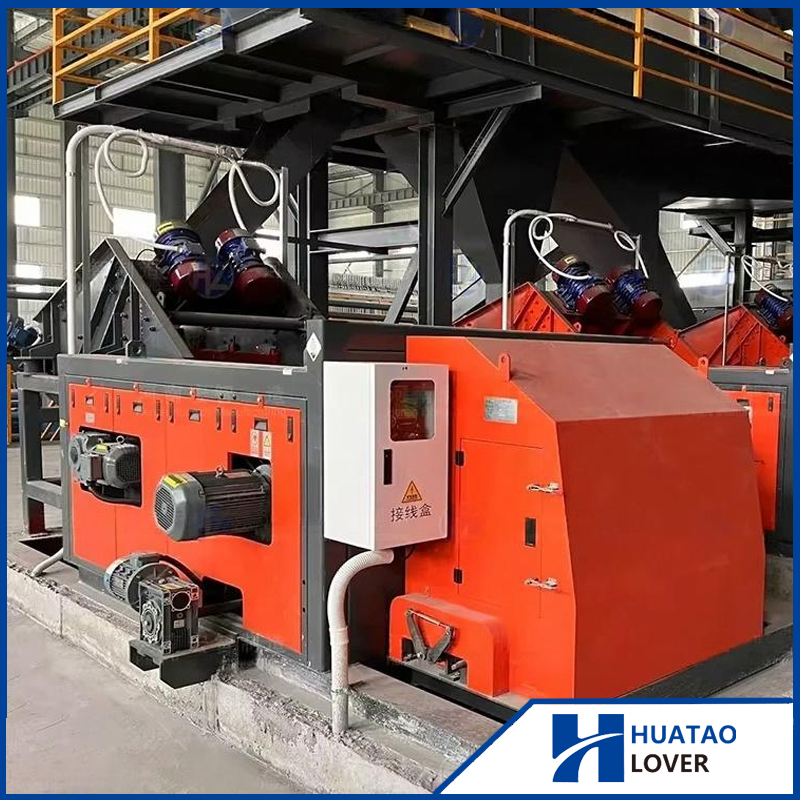
An eddy current separator operates as one stage in a complete processing line. The required sequence is: pre-processing, primary shredding, secondary shredding, magnetic separation for ferrous removal, eddy current separation, and optional downstream refining. Ferrous removal is mandatory because iron and steel are attracted to the rotor and will disrupt separation. Feed preparation through screening and even distribution across the belt is equally critical. Line-level references include the E Waste Recycling Line High Purity Zero Discharge Systematic Solution and Waste Recycling Production Line, with upstream sizing options in the Crusher and Single Shaft Shredder ranges.
Supplier Evaluation Criteria
Request a material test using representative shredded e-waste. Confirm recovery and purity figures from that test, not from a specification sheet. Verify rotor serviceability and belt change accessibility. Confirm that the separator's particle size rating matches your shredder output. Maintenance planning should reference the Twin Shaft Shredder Maintenance Guide Extend Service Life Cut Operational Cost and the Spare Parts catalogue. For complete line configurations, HUATAO provides recycling equipment and shredder-related solutions; technical specifications should be confirmed through direct consultation.
Email: marketing@huataogroup.com
Tel/WeChat/WhatsApp: 008613383116640
Website: www.huataoshredder.com
WhatsApp: http://wa.me/13383116640
#shredding #environment #waste #recycling #blade #metalrecycling #woodrecycling #RDF #MSW #recyclingworks #materialrecycling #recyclable #aluminum #aluminiumrecycling #recyclingindustrymatters #recyclingindustry #scraprecycling #alumiumscrap #aluminiumscraprecycling #energy #secondaryindustrymatters #tyrerecycling
#shredding #shredderknive #wasterecycling #blade #metalrecycling #aluminum #aluminiumrecycling #copperwirerecycling #Cablerecycling #alumiumscrap #aluminiumscraprecycling
#woodrecycling #RDF #MSW #recyclingworks #materialrecycling #recyclable #recyclingindustrymatters
#recyclingindustry #scraprecycling #energy #secondaryindustrymatters #tyrerecycling
#plasticrecycling #crusherblade #industrialcrusher #recycling #PETbottlerecycling #blade #plasticcrusher #hardplasticrecycling #pprecycling #plastictrayrecycling #perecycling #psrecycling #pvcrecycling #Sharpener #bladesharpen #grinder #bladegrinding #sharpenermachine



 WhatsApp