Frequent replacement of industrial shredder blades is a concern for recycling plant operators. It can increase spare-parts consumption, create maintenance downtime and make operating costs harder to control.
However, blade replacement frequency should not be evaluated as a blade-quality issue alone. The interaction between the blade, machine and processed material determines the actual working conditions.
A useful engineering review should examine six areas.
1. Match Blade Material to the Feedstock
The hardness and abrasiveness of the material being processed influence blade wear.
A blade material that performs well in one application may not provide the same result in another. Clean plastic waste, mixed plastic waste and materials containing abrasive contaminants create different wear conditions.
Material selection should consider both wear resistance and toughness. Selecting a material based only on hardness may overlook other operating requirements.
2. Confirm Blade Geometry and Machine Compatibility
Blade geometry, dimensions and mounting arrangement must match the equipment.
Single-shaft shredders, double-shaft shredders and crushers use different cutting configurations. Their blades should not be treated as interchangeable without checking the machine design.
When ordering replacement blades, verify drawings, dimensions, installation details and the intended application.
3. Control Abrasive Contamination
Sand, stones and metal fragments can accelerate wear on cutting edges.
Recycling plants should review material sorting and pre-processing where contamination is a recurring problem.
Depending on the feedstock, conveyors, sorting equipment and magnetic separators may form part of the upstream material preparation process.
4. Review Feeding and Operating Conditions
Unstable feeding and excessive loading may increase stress on the cutting system.
Operators should examine feed size, material distribution and operating settings when repeated wear or performance problems occur.
The solution may involve improving feed preparation or adjusting operating practices rather than immediately changing the blade specification.
5. Establish a Blade Inspection Routine
A structured maintenance routine helps operators identify wear before it becomes a more serious problem.
Inspection should consider:
-
Cutting-edge condition
-
Uneven wear
-
Visible cracks or damage
-
Blade mounting and fasteners
-
Abnormal operating noise or vibration
-
Changes in cutting performance
Maintenance records should include the processed material, operating hours, inspection findings and replacement history.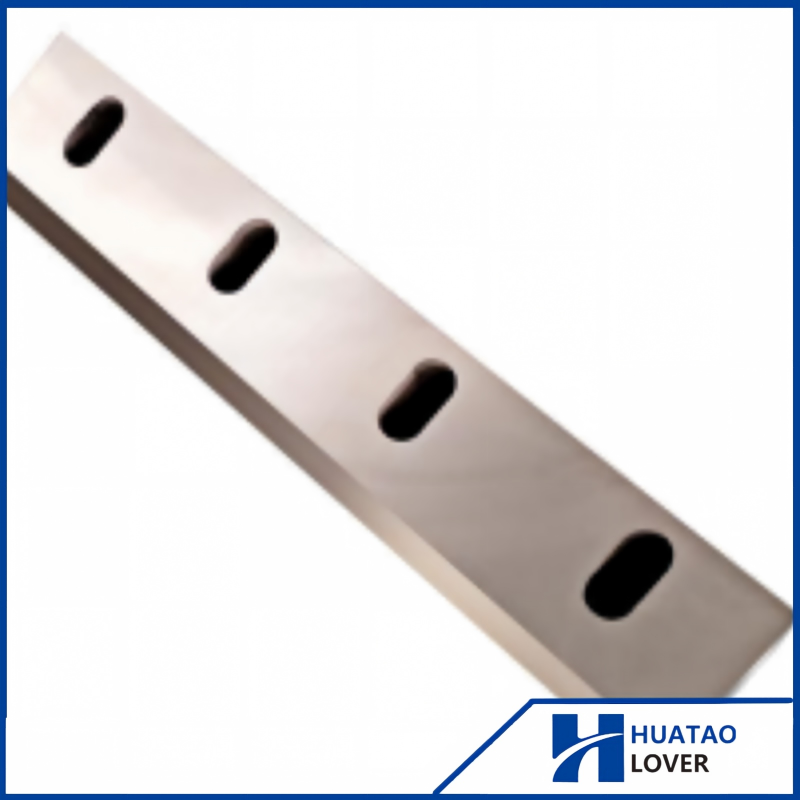
6. Evaluate Sharpening Before Replacement
Sharpening may be suitable for some industrial blades, depending on blade geometry, remaining material allowance and manufacturer guidance.
Industrial knife grinding machines and automatic linear knife sharpeners are used for different blade-maintenance requirements.
Before regrinding, check whether the blade can maintain its required dimensions and cutting geometry after material removal.
Blade Wear: Common Problems and Recommended Checks
| Observed Problem |
Possible Cause |
Recommended Check |
| Rapid edge wear |
Abrasive feedstock |
Review material and blade selection |
| Uneven wear |
Application or installation mismatch |
Check blade geometry and mounting |
| Blade damage |
Hard contaminants |
Review sorting and feed preparation |
| Reduced cutting performance |
Dull cutting edges |
Evaluate sharpening or replacement |
| Frequent downtime |
Insufficient inspection |
Improve maintenance planning |
Replacement Blade Procurement Checklist
Before contacting a manufacturer or supplier, prepare the following information:
-
Shredder type, brand and model.
-
Blade drawings and dimensions.
-
Photos of the installed blade.
-
Processed material and contamination conditions.
-
Operating hours and wear history.
-
Required blade quantity.
-
OEM compatibility requirements.
-
Material and customization requirements.
-
Packaging and delivery requirements.
-
Technical support and after-sales expectations.
This information helps suppliers understand the actual application and evaluate appropriate replacement options.
Frequently Asked Questions
1. What is the main reason for frequent shredder blade replacement?
There is no single universal cause. Material mismatch, abrasive contamination, incorrect blade selection and poor maintenance are common factors.
2. Can blade material selection affect wear?
Yes. The material must be suitable for the hardness and abrasiveness of the feedstock.
3. Why is blade compatibility important?
Incorrect dimensions, geometry or mounting arrangements can affect cutting performance and wear distribution.
4. Does contamination affect blade service life?
Yes. Hard contaminants such as sand and metal can accelerate wear.
5. Should blades be sharpened or replaced?
The decision depends on blade condition, design, remaining material allowance and manufacturer recommendations.
6. What information is needed for customized blades?
Machine details, drawings, dimensions, material information and application conditions are important.
7. How can maintenance teams track blade wear?
Use regular inspections and record operating hours, processed materials and blade condition.
8. Can better material sorting help reduce blade wear?
It can help reduce exposure to unwanted abrasive contaminants, depending on the process and feedstock.
Conclusion
Reducing frequent shredder blade replacement requires a complete review of the cutting system and its operating environment.
Correct blade material, suitable geometry, clean feedstock, stable operation and planned maintenance all contribute to better blade management.
For recycling plants, the most effective starting point is to identify the actual wear mechanism before selecting replacement blades.
Contact
Email: marketing@huataogroup.com
Tel/WeChat/WhatsApp: 008613383116640
WhatsApp: http://wa.me/13383116640
Website: www.huataoshredder.com
#ShredderBlades #BladeWear #BladeReplacement #BladeMaintenance #IndustrialShredder #RecyclingEquipment #KnifeGrinding #CrusherBlades #PlasticRecycling #WasteRecycling



 WhatsApp