The correct eddy current separator should be selected according to feedstock composition, particle size, material throughput, magnetic rotor configuration, conveyor operating conditions, and target separation quality. Engineers should also evaluate upstream ferrous removal, screening, feeding uniformity, and the available installation space. For demanding applications such as electronic waste and automotive shredder residue, material testing is essential because fine particles and mixed material properties can significantly affect separation behavior.
Introduction:
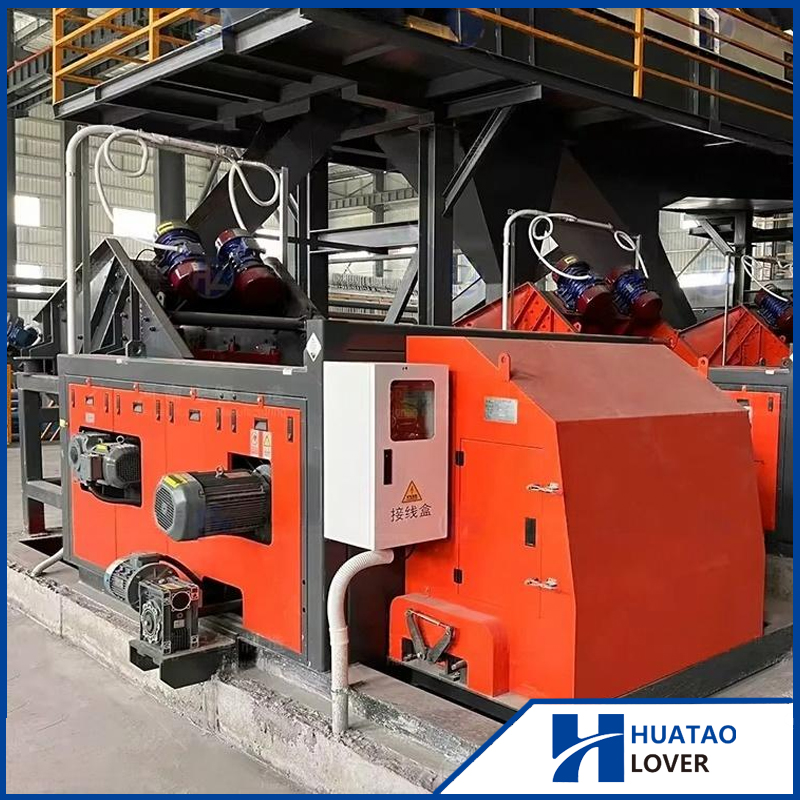
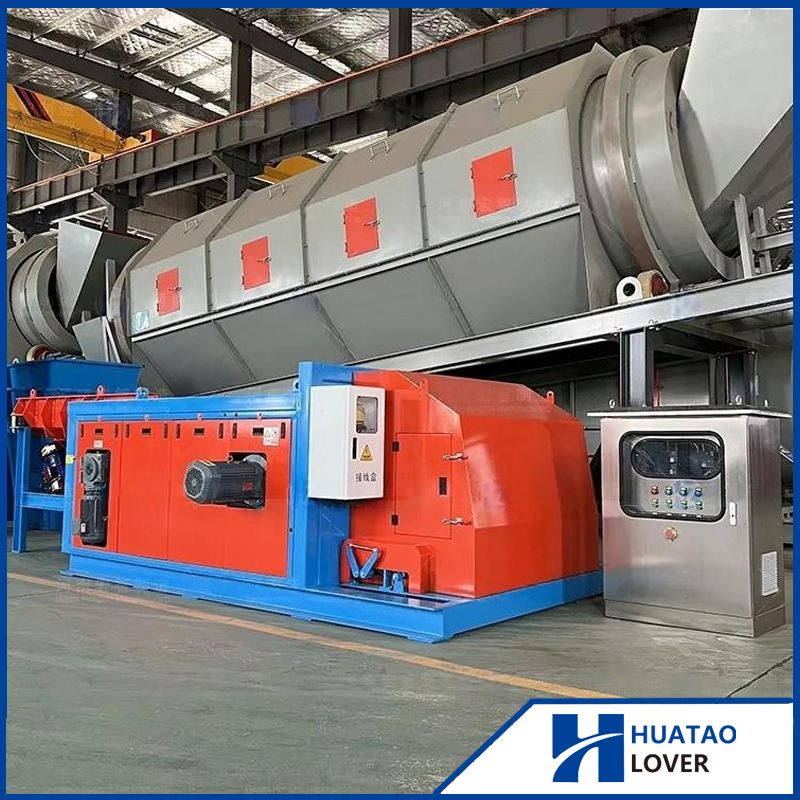
An Eddy Current Separator is widely used in modern recycling systems to recover valuable non-ferrous metals from mixed waste streams.
How to Select an ECS for Different Applications
| Application |
Main engineering concern |
| Aluminum scrap |
Particle shape and size variation |
| E-waste |
Fine copper and aluminum recovery |
| Municipal solid waste |
Mixed contamination and feed preparation |
| Automotive residue |
Variable non-ferrous content |
| Shredder residue |
Particle liberation and screening |
One configuration should not automatically be assumed suitable for all applications.
Material Composition:
For electronic waste applications, an Eddy Current Separator for E-Waste can help recover suitable copper and aluminum particles after shredding and screening.
For municipal waste processing, an Eddy Current Separator for MSW Recycling can be integrated into the non-ferrous metal recovery stage.
Magnetic Rotor Configuration:
For fine electronic scrap, buyers can also review the technical considerations of a High-Precision E-Waste Eddy Current Separator.
Upstream Process Configuration:
A Double Shaft Shredder for E-Waste Recycling can perform primary size reduction before downstream separation.
For more controlled particle sizing, a Single Shaft Shredder for Secondary Size Reduction may be incorporated into the processing line.
A complete electronic waste processing system can also include a Circuit Board Crushing and Sorting Production Line.
Equipment Performance:
For automotive and industrial scrap applications, Eddy Current Separation for Scrap Shredder Residue explains how non-ferrous metals can be recovered from mixed residue.
Supplier Evaluation:
When evaluating upstream equipment suppliers, buyers can also review the application of a Double Shaft Shredder for Metal Recycling.
Conclusion:
For other recycling applications, a Waste Plastic Recycling Line provides another example of how size reduction and separation equipment can be integrated.
Contact HUATAO
Email: marketing@huataogroup.com
Tel/WeChat/WhatsApp: 008613383116640
Website: www.huataoshredder.com
WhatsApp: http://wa.me/13383116640
#shredding #environment #waste #recycling #blade #metalrecycling #woodrecycling #RDF #MSW #recyclingworks #materialrecycling #recyclable #aluminum #aluminiumrecycling #recyclingindustrymatters #recyclingindustry #scraprecycling #alumiumscrap #aluminiumscraprecycling #energy #secondaryindustrymatters #tyrerecycling
#shredding #shredderknive #wasterecycling #blade #metalrecycling #aluminum #aluminiumrecycling #copperwirerecycling #Cablerecycling #alumiumscrap #aluminiumscraprecycling
#woodrecycling #RDF #MSW #recyclingworks #materialrecycling #recyclable #recyclingindustrymatters
#recyclingindustry #scraprecycling #energy #secondaryindustrymatters #tyrerecycling
#plasticrecycling #crusherblade #industrialcrusher #recycling #PETbottlerecycling #blade #plasticcrusher #hardplasticrecycling #pprecycling #plastictrayrecycling #perecycling #psrecycling #pvcrecycling #Sharpener #bladesharpen #grinder #bladegrinding #sharpenermachine



 WhatsApp