

The logistics of scrap metal recycling have long followed a simple equation: collect the scrap, transport it to a fixed processing facility, and ship the processed material to end users. This model, while effective, carries inherent costs and inefficiencies—transportation expenses, site infrastructure requirements, and the carbon footprint of moving heavy materials across long distances. The mobile Metal Recycling Line is rewriting this equation, bringing processing capability directly to the source of scrap and enabling on-site recovery of ferrous and non-ferrous metals with unprecedented efficiency.
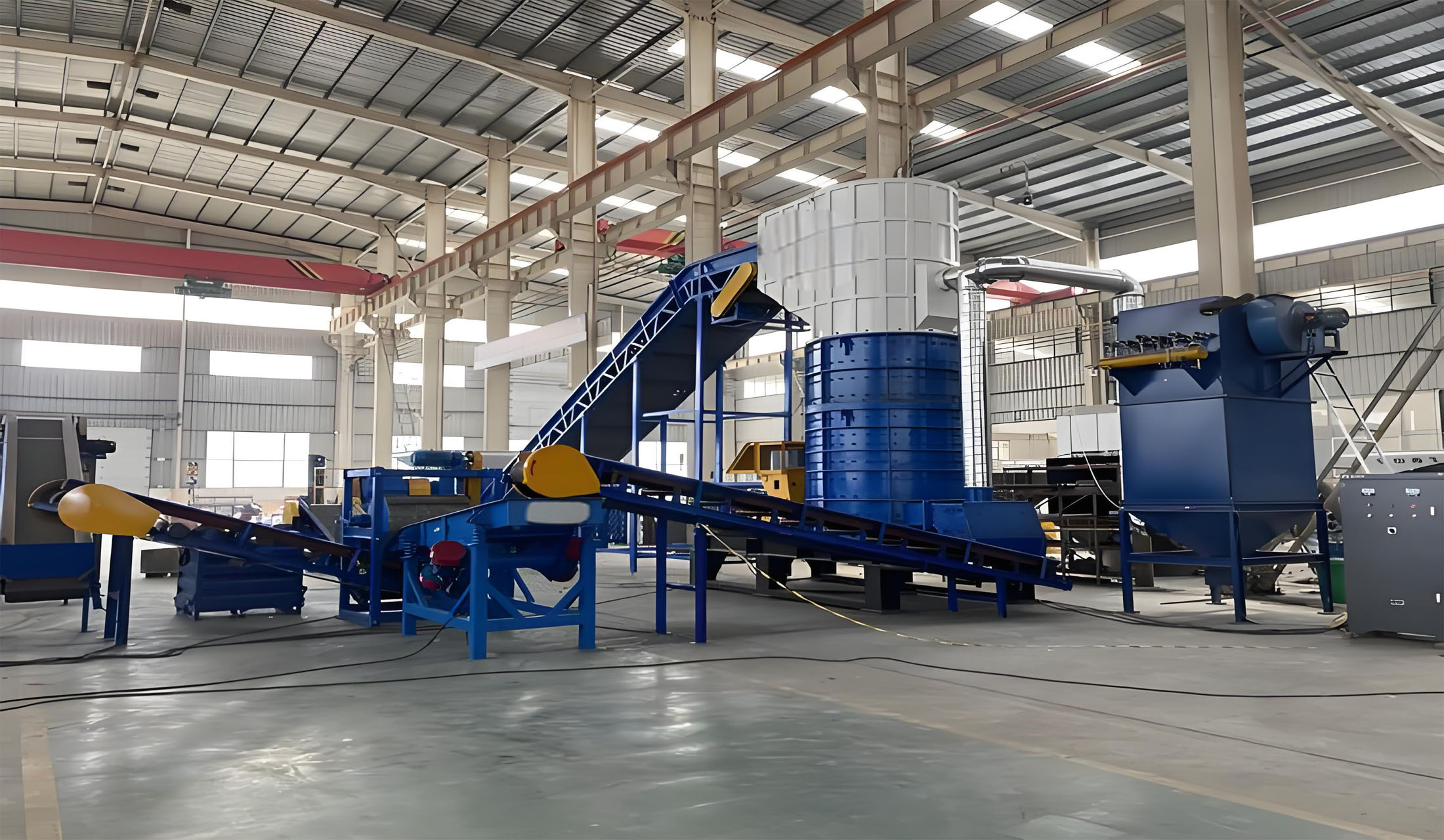
The Mobile Metal Recycling Line: A Paradigm Shift
Tracked Integration for Rapid Deployment
The defining feature of a mobile Metal Recycling Line is its integration onto tracked chassis, eliminating the need for fixed factory buildings, concrete foundations, or permanent power installations. These self-contained units can be transported by trailer to scrap yards, demolition sites, and even remote locations, achieving operational status within hours of arrival.
A complete mobile Metal Recycling Line typically comprises several integrated components mounted on tracked platforms:
Tracked Dual-Shaft Pre-Shredder: The first stage of the mobile Metal Recycling Line accepts entire flattened scrap vehicles, frames, and engine assemblies through a wide feed opening. Equipped with dual motors and planetary reducers delivering low-speed, high-torque output, these units achieve throughput of 6-10 tons per hour. PLC intelligent controls provide overload and reverse anti-jamming protection, while dual power options—380V industrial electricity or an onboard diesel generator set—enable field operation without grid access.
Tracked Hammer Crusher: Following initial shredding, the mobile Metal Recycling Line employs a heavy-duty hammer crusher for secondary size reduction. Forged spindles and high-chromium alloy hammers impact the material at high speed, breaking down sheet metal and liberating contaminants such as paint, rubber, and foam. Output particle sizes typically range from 50- 120 mm, producing dense steel pellets that significantly improve the purity of steel mill feed.
Integrated Separation Module: The mobile Metal Recycling Line culminates in a multi-stage separation system. High-intensity magnetic drum separators recover over 96% of scrap steel, while eddy current separators separate aluminum, copper, and zinc materials. Integrated air separation modules use negative pressure to remove plastics, fabrics, and slag, and pulse bag explosion-proof dust control systems ensure environmental compliance.
The Scrap Vehicle Processing Application:
End-of-life vehicles (ELVs) represent one of the most significant applications for mobile Metal Recycling Lines. According to EU regulations, the End-of-Life Vehicles Directive mandates 95% recovery and at least 85% recycling by weight, ensuring a steady flow of ferrous and non-ferrous scrap from the automotive sector. Mobile Metal Recycling Lines are uniquely positioned to meet this demand, enabling on-site processing at collection points and reducing the need to transport whole vehicles.
The process flow within a mobile Metal Recycling Line for ELVs follows a systematic sequence:
1. Pre-treatment: Fluids (engine oil, coolant) are drained, batteries and airbags are removed for separate recycling, and the vehicle is flattened to reduce volume.
2 Coarse Shredding: The flattened vehicle is fed into the tracked shredder, which disassembles it into 300- 400 mm metal blocks while removing large tires and plastic interior trim.
3 Secondary Crushing: The metal blocks pass through the hammer crusher, which repeatedly strikes adhered sheet metal and engine casings to remove non-metallic impurities.
4 Multi-Stage Sorting: Magnetic separation recovers high-purity scrap steel, eddy current separation extracts aluminum wheel hubs, copper water tanks, and aluminum engine casings, and air separation removes remaining plastics, rubber, and dust.
5 Product Loading: Finished materials are discharged onto three independent belts for pure steel, non-ferrous metals, and light waste, ready for direct truck loading and shipment to steel mills and smelters.
Economic and Environmental Impacts:
Cost and Carbon Savings
The economic case for mobile Metal Recycling Lines is compelling. By eliminating the need to transport bulky scrap to fixed facilities, operators reduce logistics costs and associated carbon emissions. The mobile Metal Recycling Line also enables processing at collection points, reducing the double-handling that characterizes conventional recycling models.
In Europe, Electric Arc Furnace (EAF) steelmaking accounted for approximately 44.6% of steel production in 2024, and this share is growing. Mobile Metal Recycling Lines support this transition by enabling efficient processing of post-consumer scrap, which constitutes approximately 79% of Europe's scrap stream. As the global metals industry increasingly focuses on decarbonization, the energy and carbon savings achieved through efficient scrap recovery will only grow in importance.
Regulatory Alignment
The mobile Metal Recycling Line aligns with regulatory trends across major markets. The EU's Waste Shipment Regulation and customs surveillance mechanisms introduced under the Steel and Metals Action Plan reflect increasing scrutiny of scrap flows. Mobile Metal Recycling Lines enable domestic processing capacity, reducing reliance on exports and supporting regional circular economy objectives.
Contact us:
Marketing@huataogroup.com
Tel:+86 13383116640 (Wechat/whatsapp)
http://wa.me/13383116640
Website:www.huataoshredder.com
#MobileMetalRecycling #ScrapCarRecycling #MetalRecycling #ELVRecycling #TrackedShredder #EddyCurrentSeparator #CircularEconomy #ScrapMetal #RecyclingTechnology #Huatao
can not be empty
can not be empty

HUATAO GROUP - Recycling Machine and Spare parts
ADD : No.298 Zhonghua North Street, Shijiazhuang 050000 China.
TEL : +86 13383116640
EMAIL :marketing@huataogroup.com
 WhatsApp & WeChat : +86 13383116640